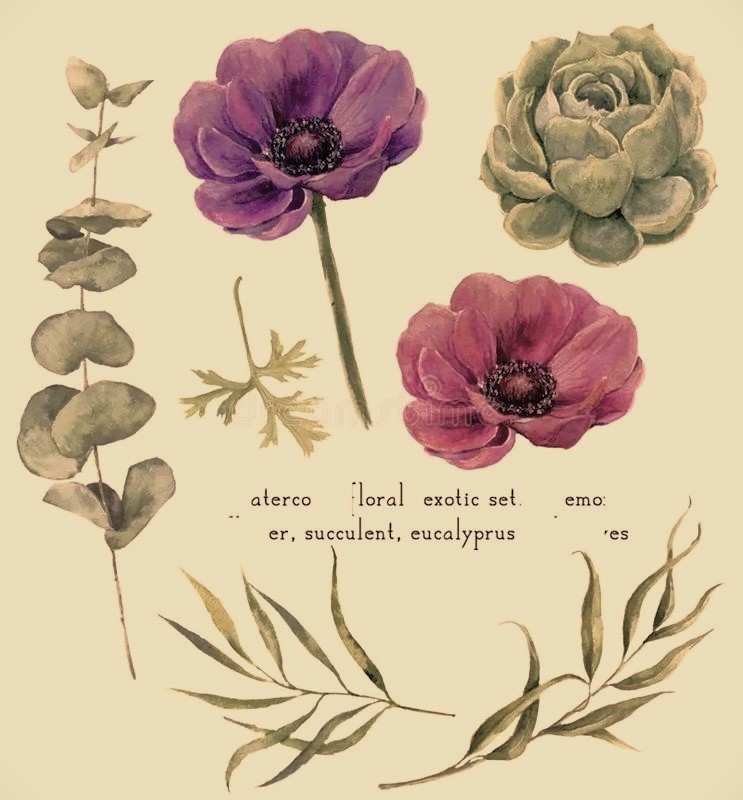
Anemone
(Anemone)
Ranunculaceae
This flower is known for its ephemeral life, as the spring wind is fast to scatter its petals.
This is why it's also called "fiore del vento" ("wind flower"). In fact, "ànemos" means "wind" in greek.
However, despite this fragile appearence, its roots are strong and resilient.
Fun fact: According to the legend, when Adone was mortally wounded by a boar, Afrodite wept tears which turned his corpse into red anemone.
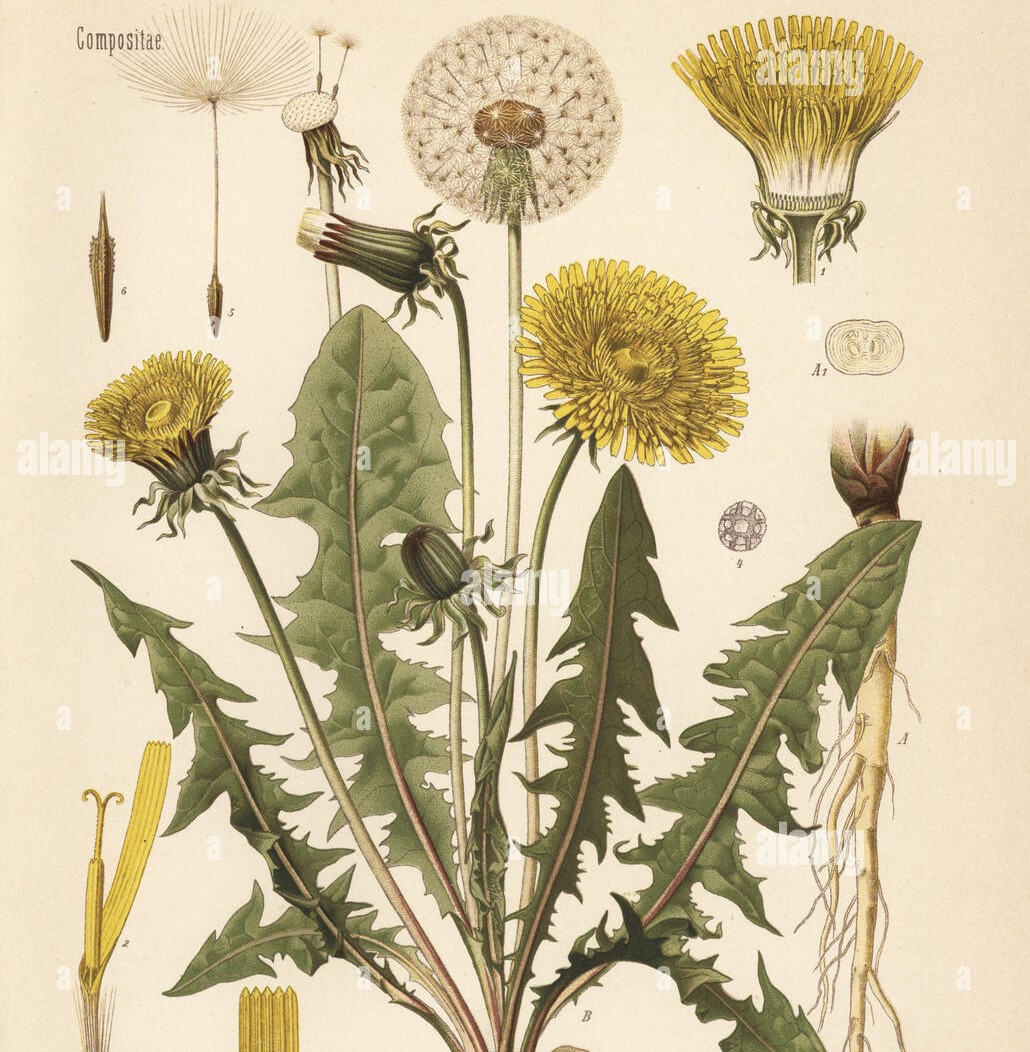
Tarassaco
(Taraxacum officinale)
Asteracee
I love this little guy.
It's quite common, and it brings lovely spots of color to spring and early summer fields.
You can use the petals for a great risotto, just gather them before they start to turn white (soffione) and use them fresh. The leaves are edible as well (but not as tasty from what I heard, I still have to try them).
Fun fact: In Verona we call it also "pissacan" ("dog peeing" -ish) because it makes you pee and also you can find it alongside streets, where dogs pee :c they deserve better!!
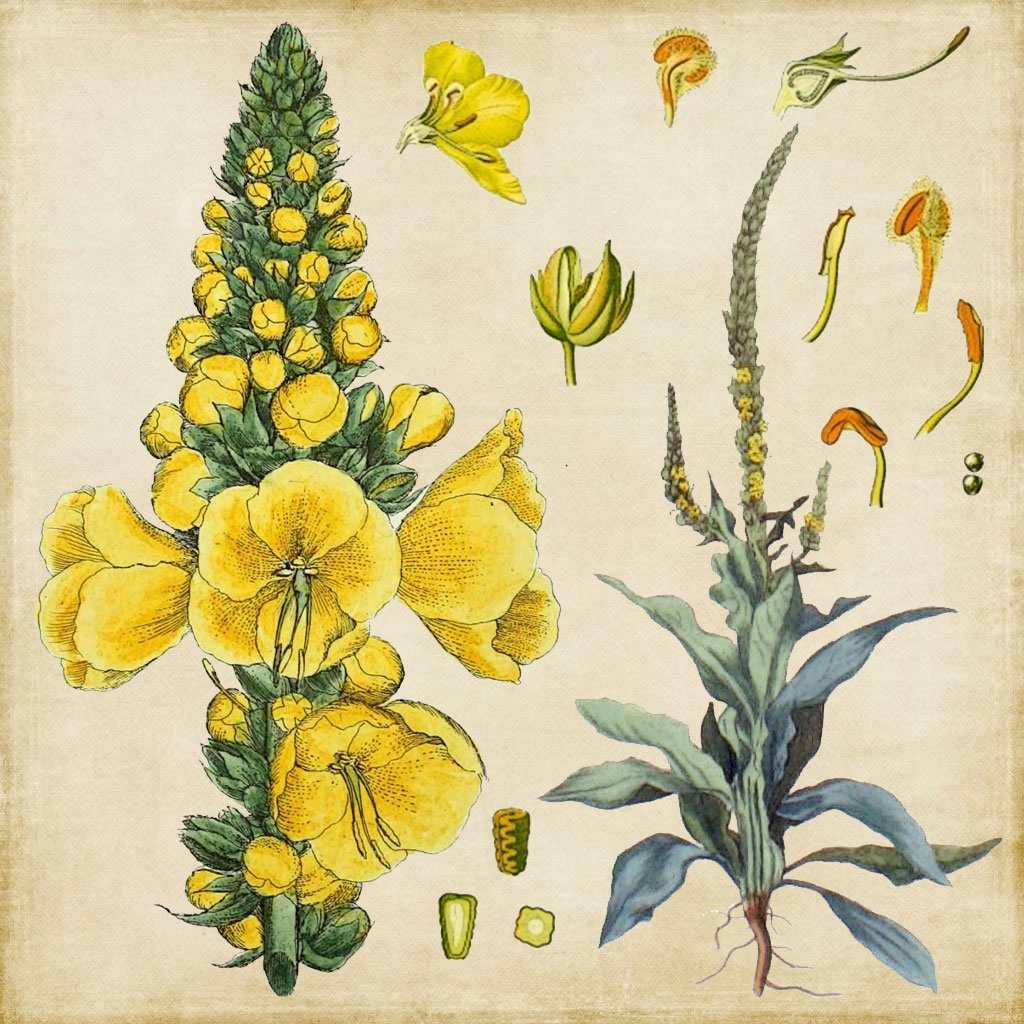
Tasso Barbasso
(Verbascum thapsus)
Scrofulariacee
This plant has a singular appearance, and is therefore easy to identify.
It presents a tall stem (can reach more than a meter) with big fluffy leaves (barbasso = furry) and yellow flowers.
I have spotted it for the most part in areas close to mountains or on a higher ground, approximately between 200 and 1000 m of altitude, both near the Alps and the Apennines.
Fun fact: It has anti-inflammatory properties and its leaves are so soft that they can be used to wipe after a nice poop in the woods.